
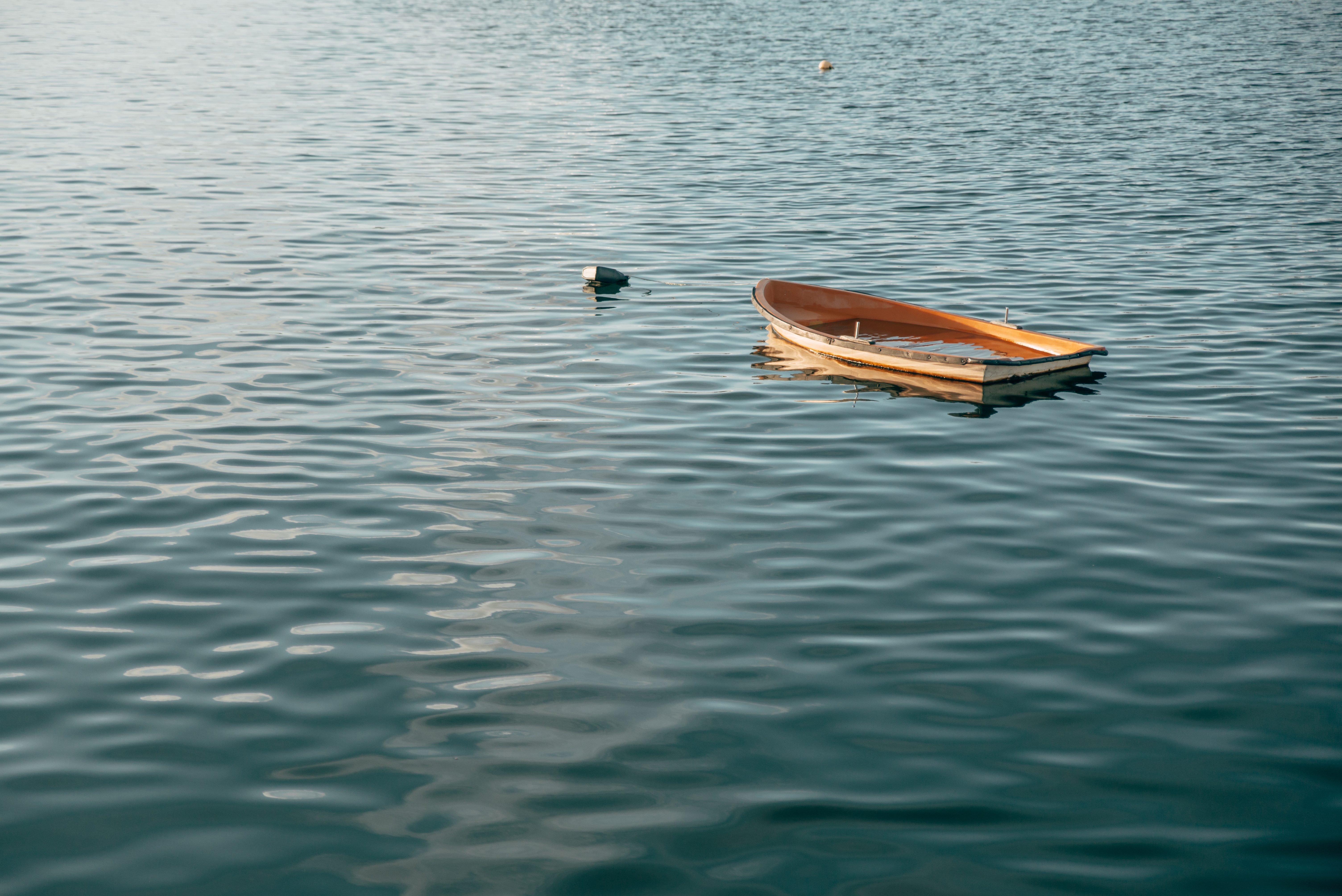
Insuring Summer Toys
Summer plans tend to come together quickly, and before you know it, you’re prepping for weekends filled with road trips, lake days, and outdoor exploring. Boats, RVs, motorcycles, and ATVs bring excitement to the season, but each comes with its own risks. What many people don’t realize is that standard home or auto policies often don’t offer the protection these seasonal vehicles need.
Before your calendar fills up with back-to-back adventures, it’s a good idea to take a closer look at your insurance. Having the right policies in place can help you avoid unexpected costs and make sure your summer fun stays on track. Below is a refreshed look at why coverage for your seasonal vehicles matters and what to consider for each type.
Why Seasonal Vehicles Usually Need Their Own Policies
Summer vehicles aren’t used like everyday transportation, and they face risks that typical home and auto insurance don’t fully address. Outdoor storage, theft, accidents, and liability claims can all lead to major financial setbacks if your coverage is incomplete.
Specialized policies are built to reflect how these vehicles are driven, stored, and maintained. They’re designed to fill the gaps standard policies leave behind, helping you stay protected both financially and legally.
Boat Insurance: Support Both On the Water and at the Dock
Boat insurance often mirrors the structure of auto insurance, offering protection for physical damage as well as liability risks. Policies typically cover repairs or replacement if the boat is harmed by storms, collisions, theft, vandalism, or other covered events. Many insurers also include medical payments coverage to help with injuries to you or others onboard.
Liability protection plays a major role in boat insurance. If you cause injury or damage to another person’s property while operating your boat, liability coverage can help with legal expenses and settlements. Some plans also offer uninsured or underinsured boater protection, giving you an added layer of security if another boater causes an accident but lacks enough insurance.
Optional features can include emergency towing, coverage for fishing gear or personal items, and protection for boat trailers. When applying, insurers often ask for details such as the boat’s age, size, engine type, value, storage location, intended use, and your boating background.
It’s also essential to know what a boat policy typically excludes. Normal deterioration, mechanical breakdowns due to lack of upkeep, and gradual damage are common exclusions. Some policies also place limits on where the boat can be used. If you frequently tow your boat, understanding when and how your insurance applies during transport is key to preventing confusion after an accident.
RV Insurance: Built Around How You Use Your RV
RV insurance is crafted with the understanding that these vehicles function as both transportation and temporary living space. Policies can cover accidents, theft, severe weather, and liability issues that arise whether you’re driving on the highway or parked at a campground.
Motorhomes generally require liability coverage by law, while comprehensive and collision coverage are optional but often required by lenders. Comprehensive protection addresses non-collision losses like fire, theft, vandalism, falling objects, or animal-related damage. Collision coverage handles damage from striking another vehicle or object.
Travel trailers operate under different rules. Since they aren’t motorized, liability is usually provided by the vehicle towing them. However, trailer-specific policies don't typically cover liability while the trailer is being towed, which is why some owners add vacation liability coverage for protection while parked.
Many RV policies also include extra benefits such as medical payments, uninsured or underinsured motorist coverage, roadside support, emergency expense coverage, and protection for personal belongings. Some plans even offer optional coverage for pets traveling with you. On the other hand, wear and tear or moisture-related issues like mold or rot are commonly excluded.
Motorcycle Insurance: Essential Coverage for Every Rider
Motorcycle insurance helps safeguard your bike from theft or damage and protects you financially if you’re responsible for someone else’s injuries or property damage. In nearly every state, motorcycle insurance is required by law.
Riding without insurance can lead to steep fines, legal penalties, suspended licenses, and even jail time depending on local regulations. Even for older motorcycles, most riders maintain at least the minimum liability coverage to stay compliant and protected.
The cost of motorcycle insurance depends on factors such as your riding experience, age, where you live, the type of motorcycle you own, and the coverage options you select. No matter the size or value of your bike, the right insurance helps shield you from costly surprises after an accident or theft.
ATV Insurance: A Common Source of Unexpected Coverage Gaps
ATVs are often misunderstood when it comes to insurance. Many people assume homeowners insurance will protect them, but coverage is usually limited and may only apply if the ATV stays on your property. For full protection, especially if you ride offsite, a separate ATV policy is often needed.
ATV coverage can include liability protection, collision coverage, comprehensive coverage, uninsured or underinsured motorist support, and medical payments. Collision coverage helps with damage that impacts the ATV’s ability to operate, while comprehensive coverage handles non-collision losses such as fire or theft. Some policies also cover permanently attached accessories.
Medical payments coverage can be valuable, as it helps pay for treatment after an ATV accident regardless of who was at fault. If you transport your ATV, it’s important to verify how coverage works during transit since damage that occurs on a trailer may fall under separate policy rules.
A Quick Coverage Review Can Protect Your Summer Plans
Overlooking the right insurance for your summer toys can open the door to costly setbacks and legal issues. Setting aside a little time now to review your policies can help you prevent unexpected expenses and ensure your activities stay enjoyable all season long.
If you’re unsure whether your boats, RVs, motorcycles, or ATVs have the proper protection, don’t wait. A quick insurance check can make all the difference, helping you head into the season with confidence and peace of mind.